Eyelid Surgery

Eyelid Surgery
Eyelid Surgery

Eyelid Surgery

Refresh Your Eyes, Restore Your Natural Look

The eyes can show signs of aging before other areas of the face. Excess eyelid skin, under-eye fullness, or changes in the surrounding tissues can make you appear tired or older than you feel. Eyelid surgery, also known as blepharoplasty, can address these changes by removing or repositioning excess tissue around the eyes. Dr. Aaron Shapiro can evaluate your eyelid anatomy and discuss whether surgery may be appropriate for you.

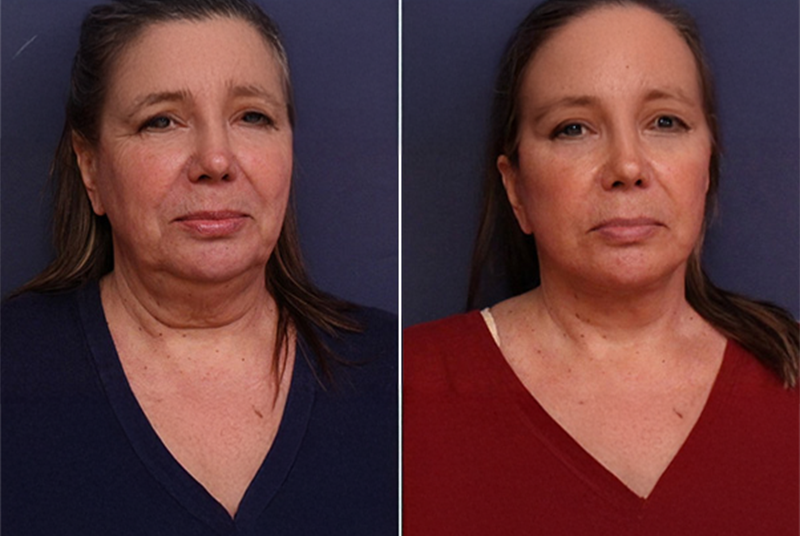
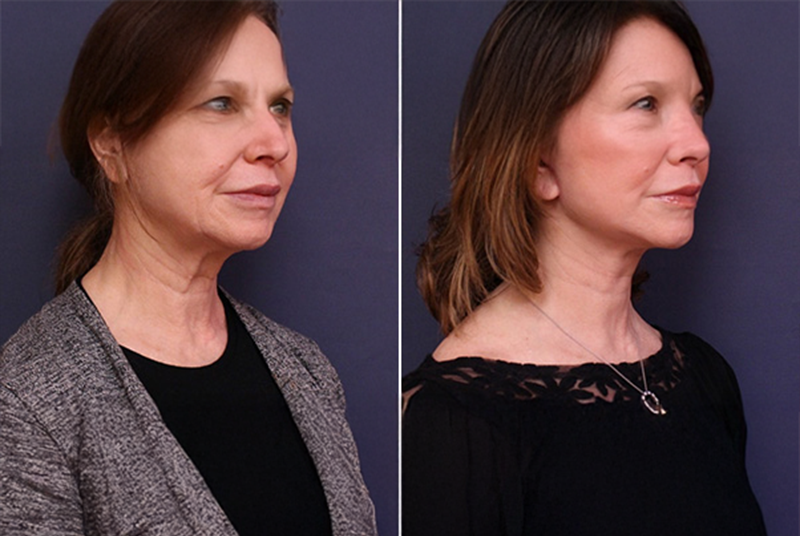
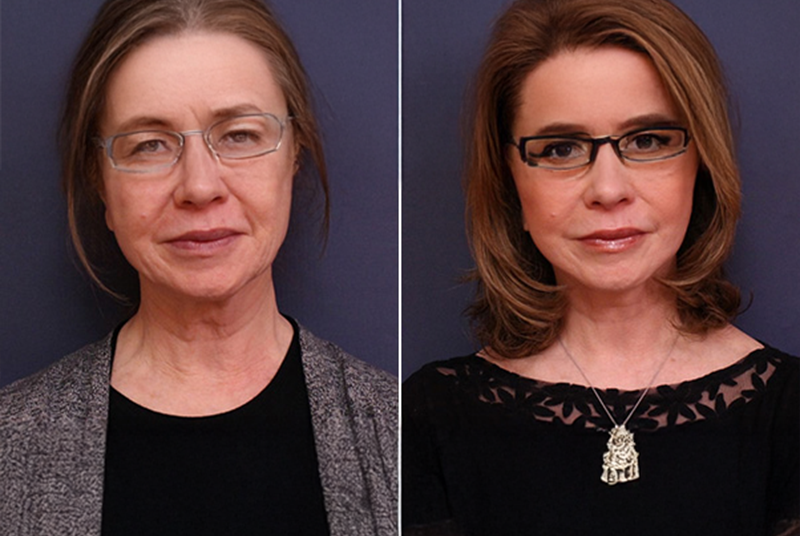
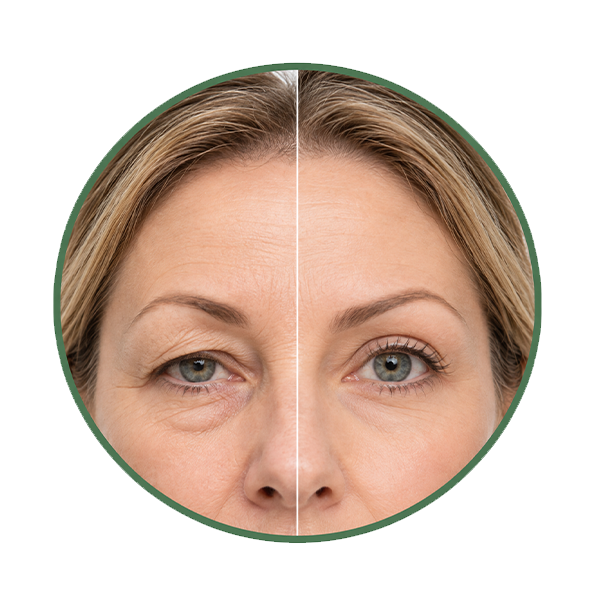
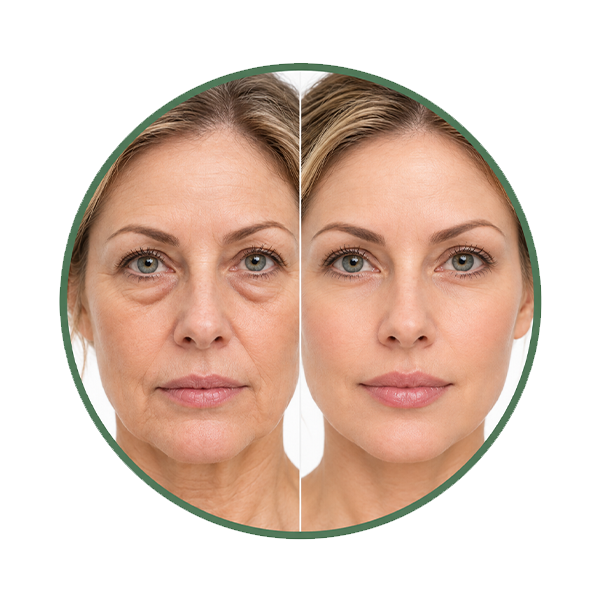
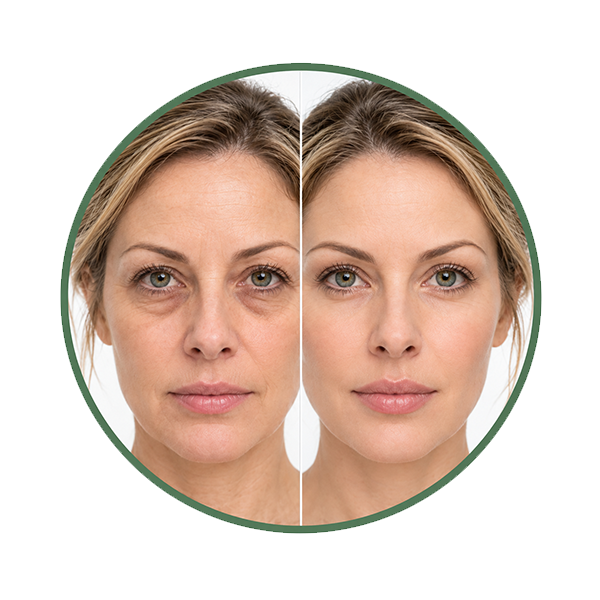
Eyelid Surgery Before & After

See How Eyelid Surgery Can Refresh Your Appearance

Eyelid Surgery
Eyelid Surgery
Eyelid Surgery

ABOUT EYELID SURGERY

Restore a More Refreshed Appearance Around the Eyes

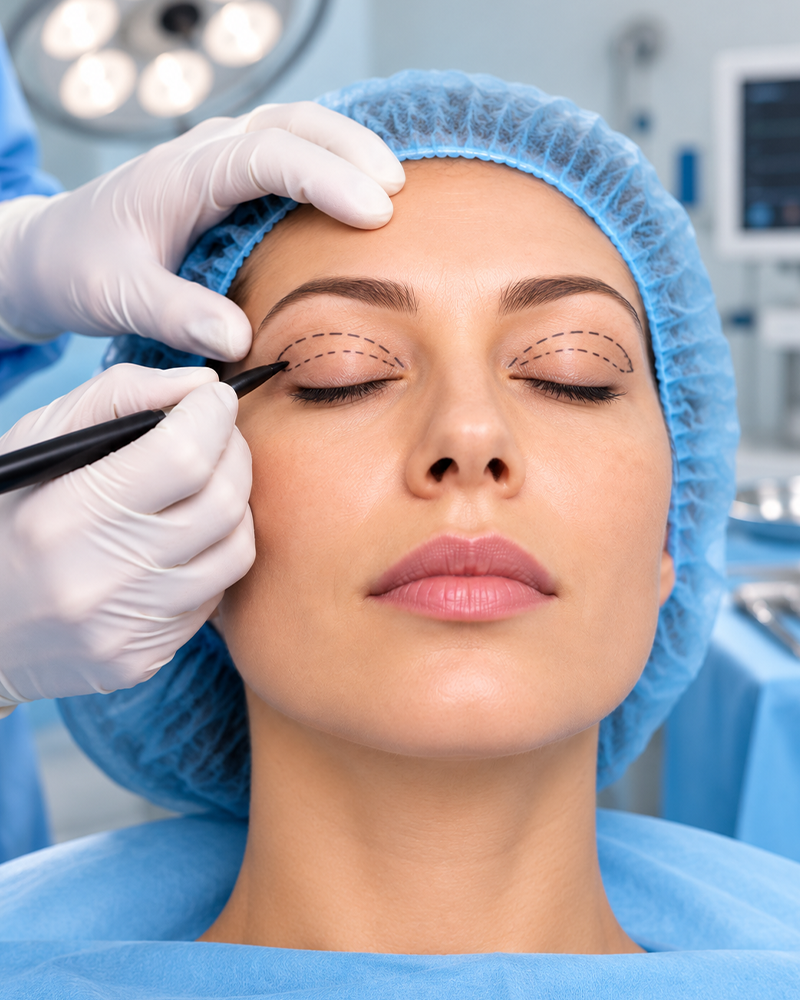
Eyelid surgery, or blepharoplasty, is a surgical procedure that addresses changes affecting the upper eyelids, lower eyelids, or both. Depending on your anatomy and concerns, treatment may involve removing or repositioning excess skin and fatty tissue to improve the appearance of the eyelids.

01

What Can Eyelid Surgery Improve?

Blepharoplasty can address visible changes around the eyes that contribute to a tired or aged appearance.

01
Upper Eyelid Skin

Upper Eyelid Skin

Excess skin on the upper eyelids can create a heavier appearance around the eyes. Upper blepharoplasty can remove selected excess skin to create a more defined eyelid contour.
02
Under-Eye Bags

Under-Eye Bags

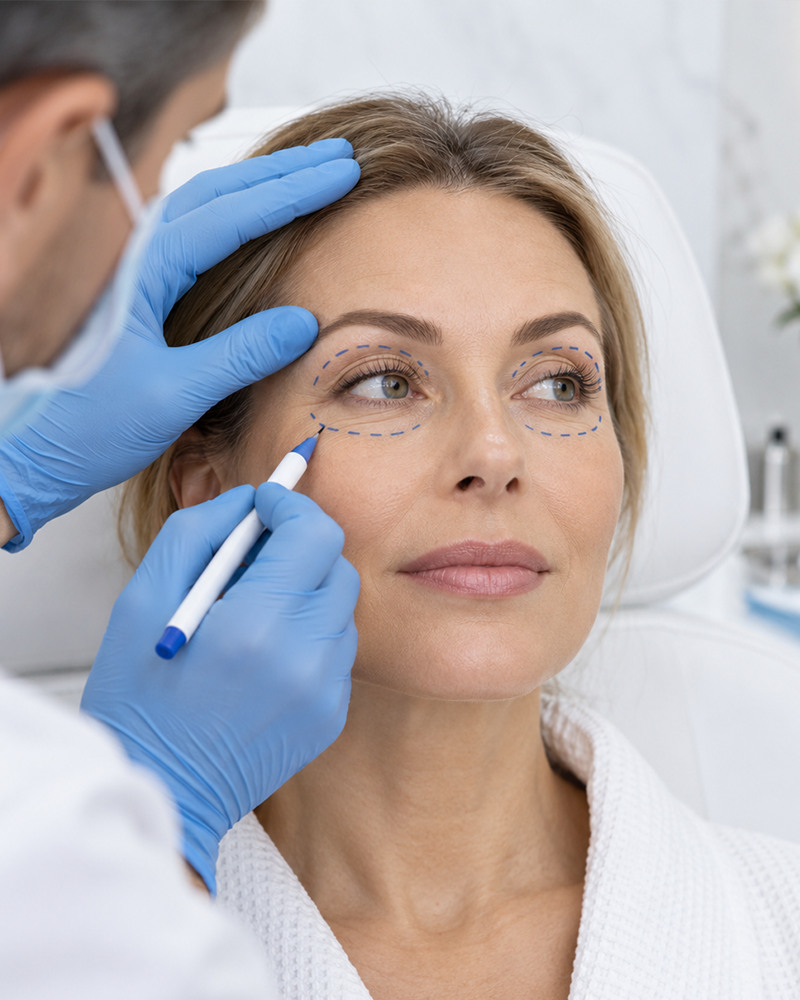
Fat pockets beneath the eyes can become more noticeable with age. Lower eyelid surgery can address excess or displaced fat to improve the appearance of under-eye fullness.

03
Tired-Looking Eyes

Tired-Looking Eyes

Changes in eyelid skin and underlying tissues can make the eyes appear tired. Eyelid surgery can improve selected structural changes while preserving your natural features.

02

What Happens During Eyelid Surgery?

01

Evaluating Your Eyelid Anatomy

Your treatment begins with an assessment of your upper and lower eyelids, surrounding tissues, and facial structure. This helps determine which areas may benefit from surgery.

02

Planning the Surgical Approach

The surgical plan depends on whether you need upper blepharoplasty, lower blepharoplasty, or treatment of both eyelids. Dr. Durvi Patel will discuss the areas being addressed and the expected outcome.

03

Addressing Excess Tissue

During surgery, selected excess skin and fatty tissue may be removed or repositioned. The technique depends on your individual anatomy and the areas being treated.

04

Closing the Incisions

Incisions are carefully closed after the surgical work is complete. For upper eyelid surgery, incisions are typically placed within the natural crease of the eyelid to help minimize their visibility as they heal.

Choose the Approach That Fits Your Needs

Eyelid surgery can focus on the upper eyelids, lower eyelids, or both. The appropriate approach depends on the changes you want to address and your individual anatomy.

01. Upper Blepharoplasty

Upper eyelid surgery addresses excess skin and other changes affecting the upper eyelid. Removing selected excess tissue can create a cleaner and more defined eyelid contour.

02. Lower Blepharoplasty

Lower eyelid surgery focuses on changes beneath the eyes, including under-eye fullness and excess skin. Depending on your anatomy, fat may be removed or repositioned.

03. Upper & Lower Eyelid Surgery

Some patients have changes affecting both the upper and lower eyelids. Treating both areas can create a more balanced appearance around the eyes.

04. Excess Skin & Tissue

Age-related changes can affect both eyelid skin and underlying tissues. Surgical treatment can address these changes according to your individual needs.

05. Personalized Eyelid Surgery

Every patient's eyelid anatomy is different. Dr. Durvi Patel can determine which areas require attention and develop a surgical approach based on your features and concerns.

Precision Matters Around the Eyes

The eyelids have delicate structures that require careful surgical planning. Dr. Aaron Shapiro considers your eyelid anatomy, facial proportions, skin quality, and the changes you want to address when discussing blepharoplasty.

The goal is to improve the appearance of the eyelids while maintaining harmony with the rest of your face.

When Should You Consider Eyelid Surgery?

Loose or excess skin can create a heavier appearance on the upper eyelids. Blepharoplasty can address selected excess skin as part of the surgical plan.

Changes in the fat compartments beneath the eyes can create visible fullness or bags. Lower blepharoplasty may address these changes.

Changes in the eyelids can make you look more tired than you feel. Surgery may help improve selected structural changes contributing to this appearance.

Skincare and nonsurgical treatments may address certain surface-level concerns, but they cannot remove excess eyelid skin. Blepharoplasty provides a surgical approach to structural changes around the eyes.

Eyelid Surgery

Wondering If Eyelid Surgery Is Right for You?

The changes around your eyes may involve skin, fat, or other eyelid tissues. A consultation with Dr. Aaron Shapiro can help identify the areas of concern and determine whether blepharoplasty may be appropriate for you.

What Should You Expect After Eyelid Surgery?

Swelling, bruising, tightness, and temporary changes around the eyes can occur after blepharoplasty. These effects gradually improve as the eyelids heal. Your surgeon will provide specific instructions for incision care, activity, medications, and follow-up appointments.

Your appearance will continue to change during recovery as swelling decreases and the tissues settle. The length of recovery varies depending on the procedure performed and your individual healing process.

Eyelid Surgery