Hollow Cheeks
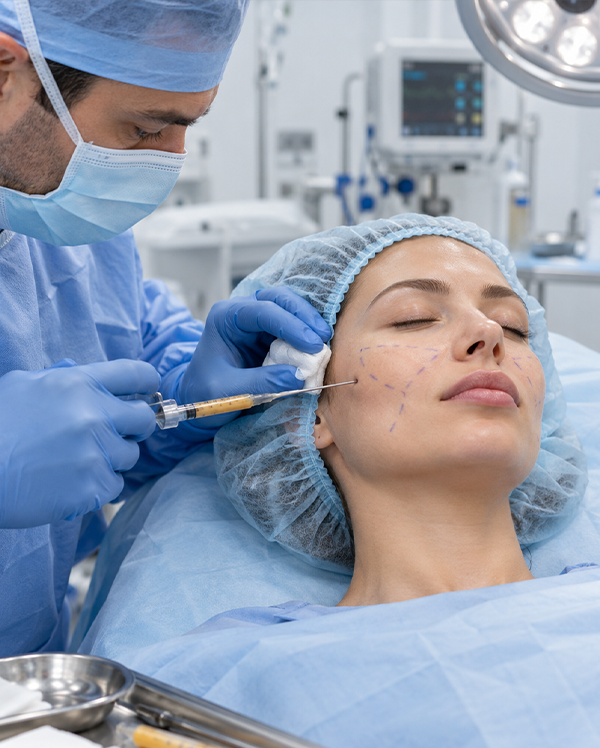
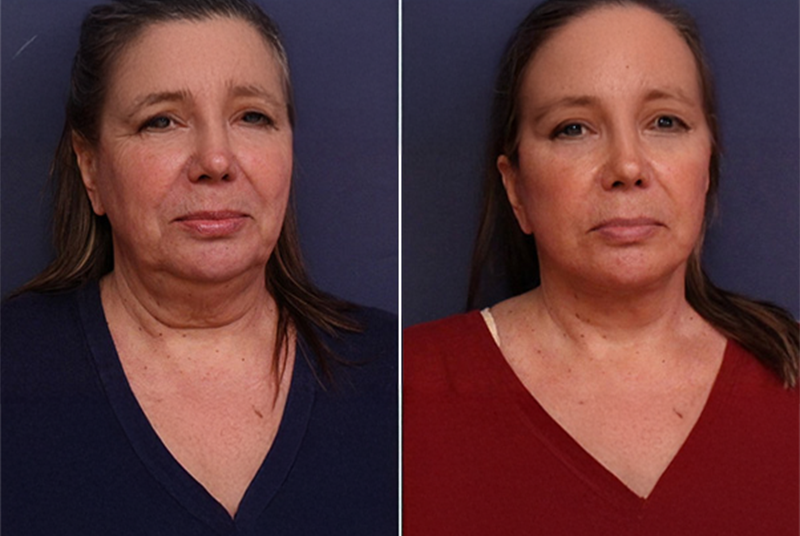
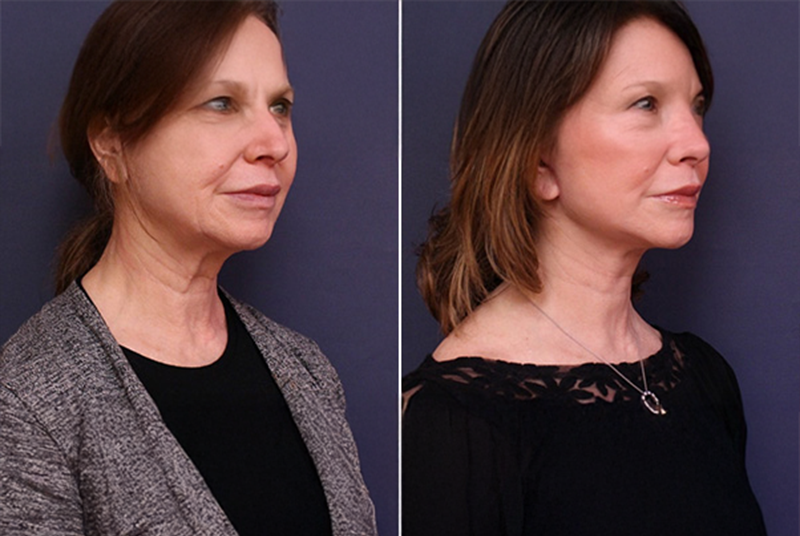
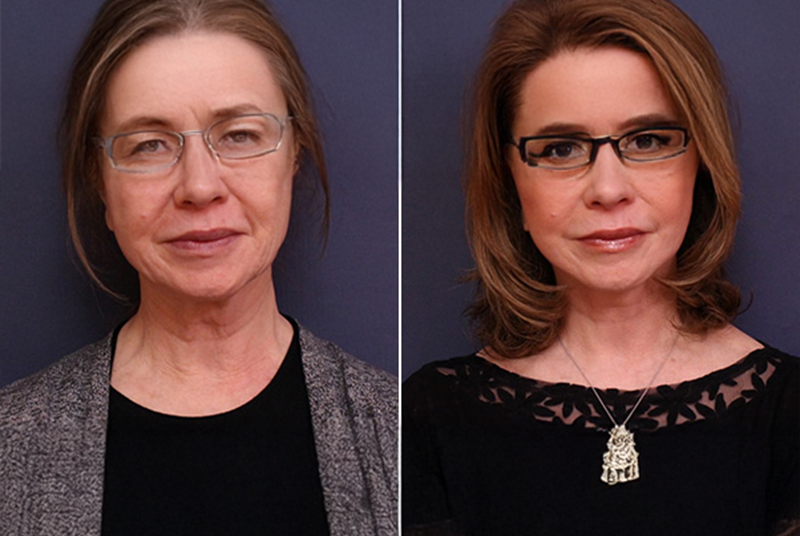
Loss of volume in the cheeks can make the face appear flatter or more drawn. Fat transfer can add volume to selected areas and restore a fuller cheek contour.
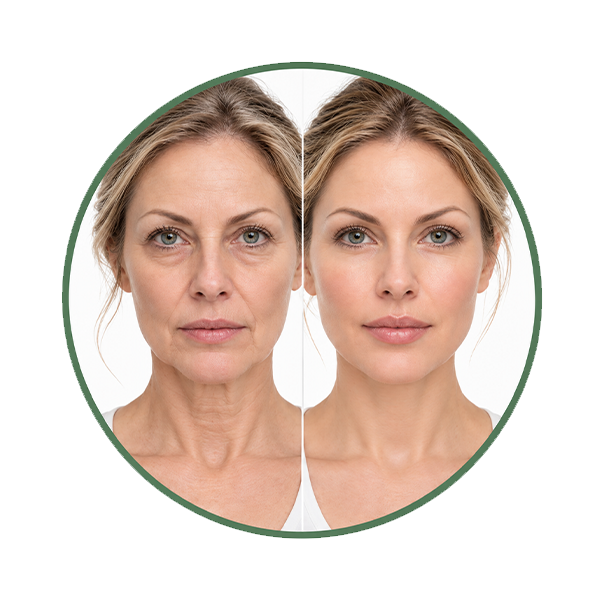
Facial volume can change with age, weight fluctuations, and the natural loss of soft tissue. Hollow cheeks, less-defined contours, and volume loss around the face can affect your overall appearance. Facial fat transfer uses your own fat to restore volume in selected areas and create a more balanced appearance. Dr. Aaron Shapiro can evaluate your facial features and determine whether fat grafting may be appropriate for you.
Need Help!
Facial fat transfer, also called autologous fat grafting, is a procedure that uses fat collected from another area of your body to restore volume in the face. After harvesting and preparing the fat, it is carefully injected into selected facial areas to improve contours, fullness, and overall balance.
Facial fat grafting can address areas where natural volume has decreased and help restore softer, fuller facial contours.
Loss of volume in the cheeks can make the face appear flatter or more drawn. Fat transfer can add volume to selected areas and restore a fuller cheek contour.
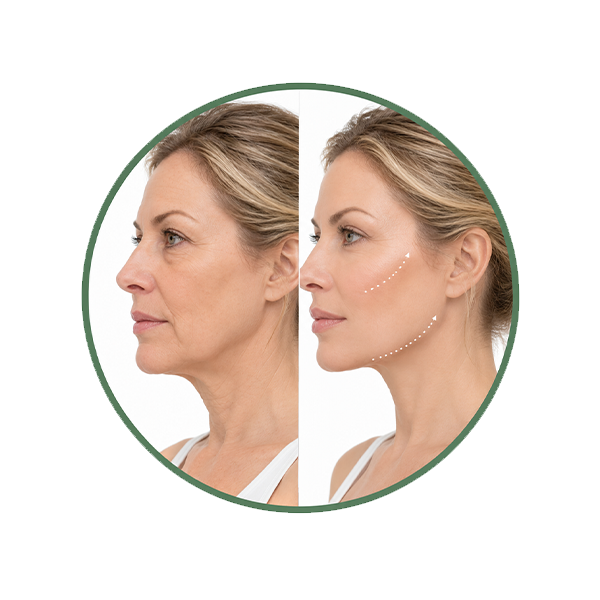
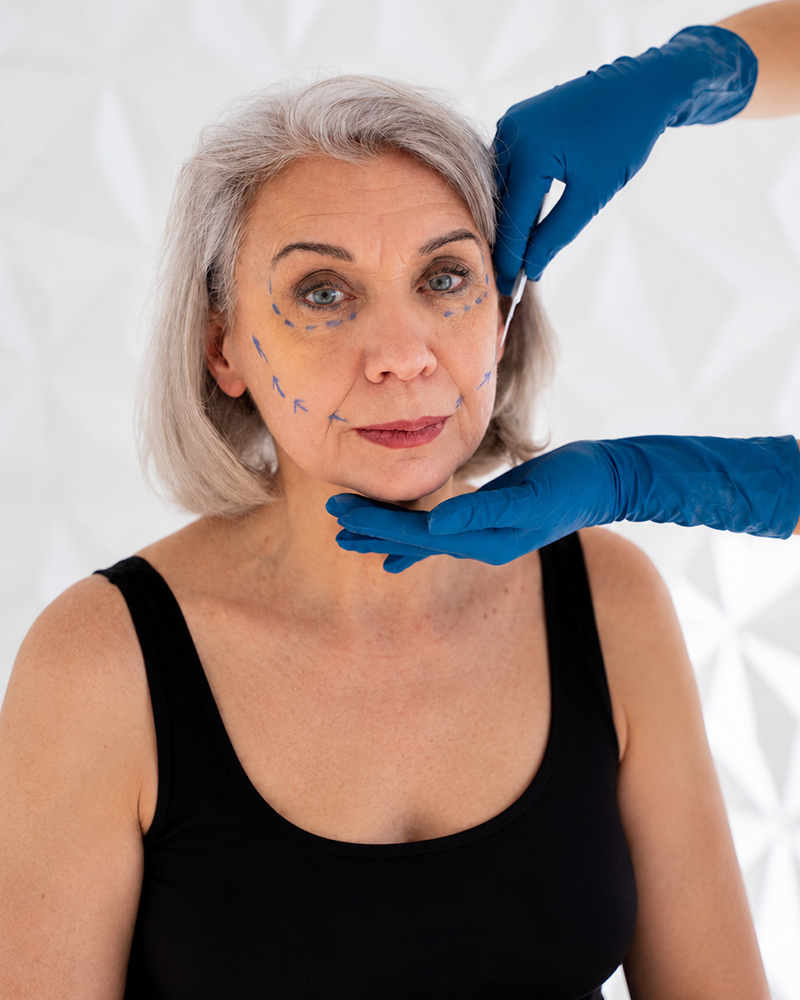
Age-related changes can reduce soft-tissue fullness in different areas of the face. Transferred fat can restore volume where it has been lost and create a more balanced appearance.
Changes in facial volume can affect the relationship between different features. Strategic fat placement can enhance selected contours while working with your existing facial structure.
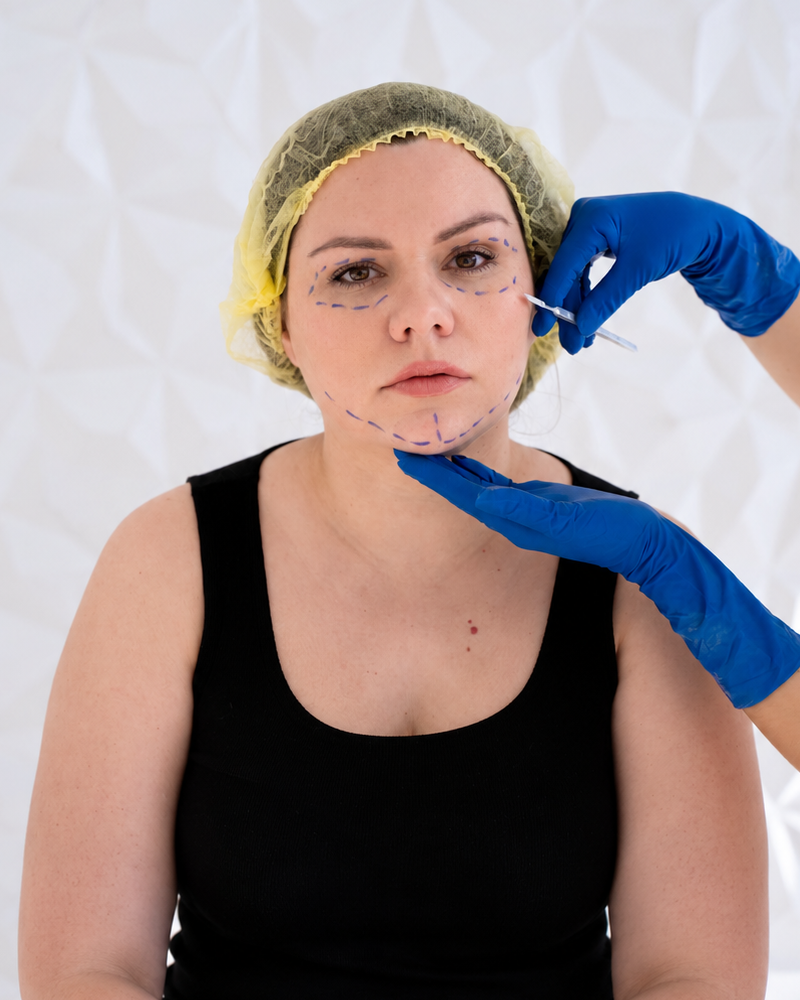
Your treatment begins with an evaluation of your facial structure, areas of volume loss, and desired outcome. This helps determine where fat transfer may provide the most appropriate enhancement.
Fat is collected from a suitable donor area of your body. The amount and location depend on your anatomy and the volume needed for facial treatment.
The harvested fat is processed before being transferred to the face. This preparation helps separate the usable fat for injection into the selected treatment areas.
The prepared fat is carefully injected into targeted areas of the face. Strategic placement helps restore volume and improve facial contours while maintaining proportion with your natural features.
Facial fat transfer can be used in selected areas where volume loss has affected facial balance and contours.
Adding volume to the cheeks can help restore fullness and improve the appearance of flattened or hollow areas.
Volume changes beneath the eyes can contribute to a hollow appearance. When appropriate, carefully placed fat may help restore fullness in this area.
Loss of volume around the temples can change the overall shape of the face. Fat grafting may help restore fullness and create a smoother transition.
Fat transfer can add volume to the lips using your own tissue. The amount transferred depends on your anatomy and the desired degree of enhancement.
Fat can be placed strategically in selected areas to improve facial proportions and create more balanced contours.
Facial rejuvenation is not simply about adding volume. The placement and amount of transferred fat can influence how your facial features relate to one another.
Dr. Aaron Shapiro considers your facial anatomy, existing volume, and areas of concern when developing a treatment plan. The goal is to enhance areas affected by volume loss while maintaining the character of your face.
Loss of soft-tissue volume can create hollows in areas such as the cheeks and temples. Fat grafting can restore volume to selected areas.
Changes in facial volume can affect the shape and definition of your features. Strategic fat placement may help improve overall facial balance.
Facial fat transfer uses autologous tissue harvested from your own body rather than a synthetic facial filler.
Facial aging can affect volume in several areas at once. Depending on your anatomy and treatment plan, fat transfer can be used in multiple facial regions during the same procedure.
The right amount and placement of facial volume depends on your individual anatomy. Talk with Dr. Aaron Shapiro about the changes you have noticed and learn whether facial fat transfer may be appropriate for you.
Your face may have temporary swelling, bruising, tenderness, or changes in sensation after fat transfer. These effects can vary depending on the areas treated and the amount of fat transferred. The initial appearance may also change as swelling decreases and the transferred fat settles.
Some of the transferred fat may be naturally reabsorbed by the body during healing. Your final result develops gradually as the treated areas heal and stabilize. Dr. Aaron Shapiro will provide specific recovery instructions and explain what you can expect throughout the healing process.