Hair Restoration Fue Method

Hair Restoration Fue Method

Hair Restoration Fue Method

Restore Hair With a Natural-Looking Approach

Thinning hair or a receding hairline can change more than your appearance. Hair restoration using Follicular Unit Extraction (FUE) removes individual hair follicles from areas with healthy growth and places them into thinning or balding areas. This minimally invasive approach is designed to restore fuller-looking hair without the linear scar associated with traditional strip harvesting. At Center for SmartLipo & Plastic Surgery, Dr. Durvi Patel and Dr. Aaron Shapiro offer personalized FUE hair restoration in Langhorne, PA.

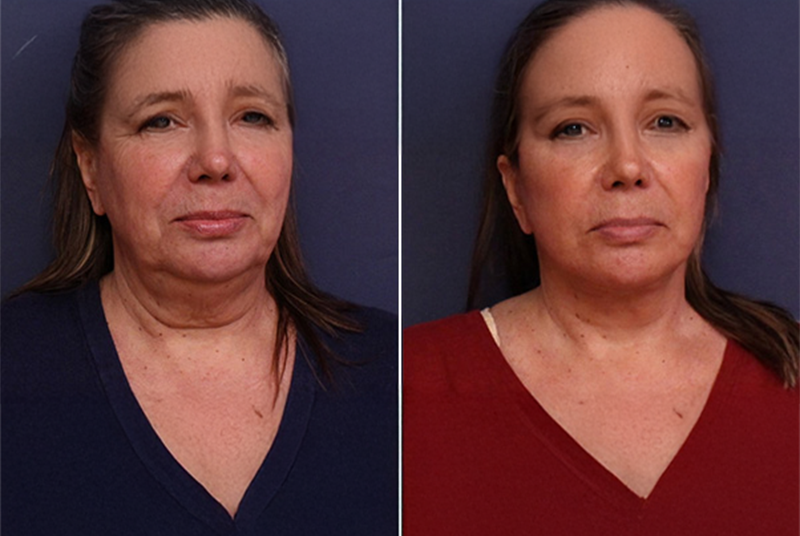
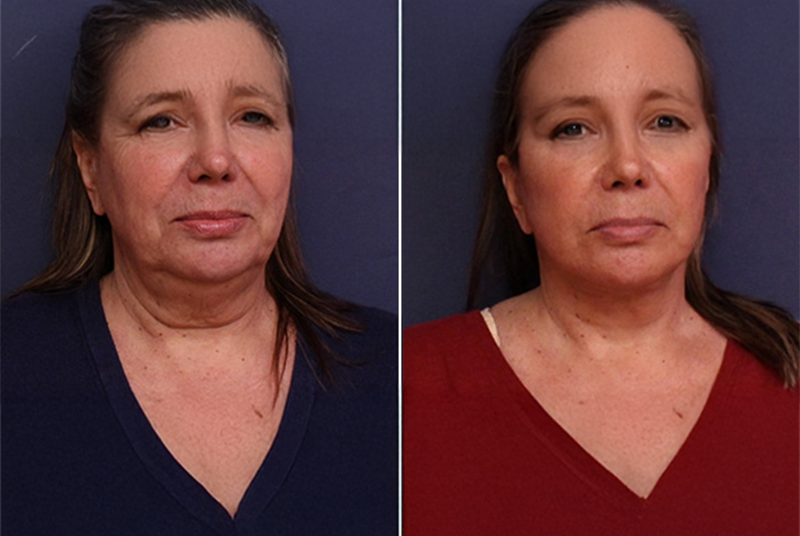
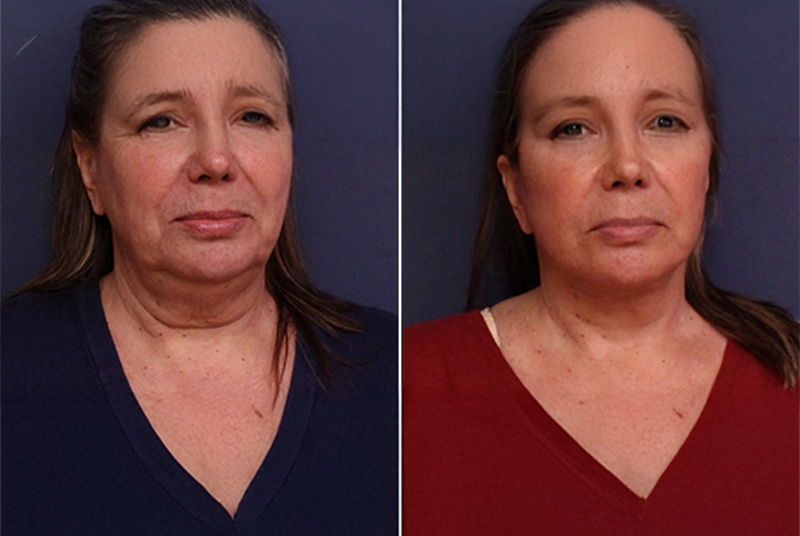
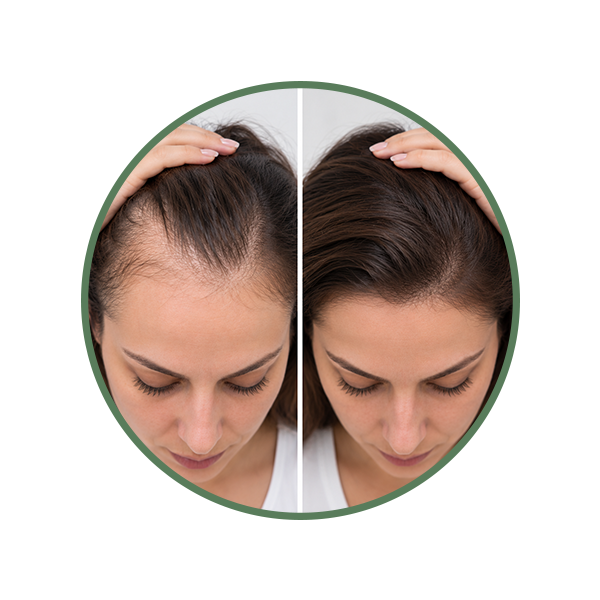
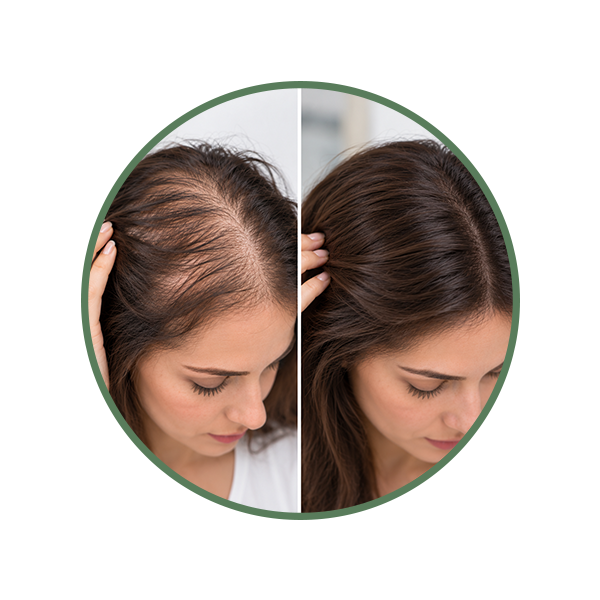
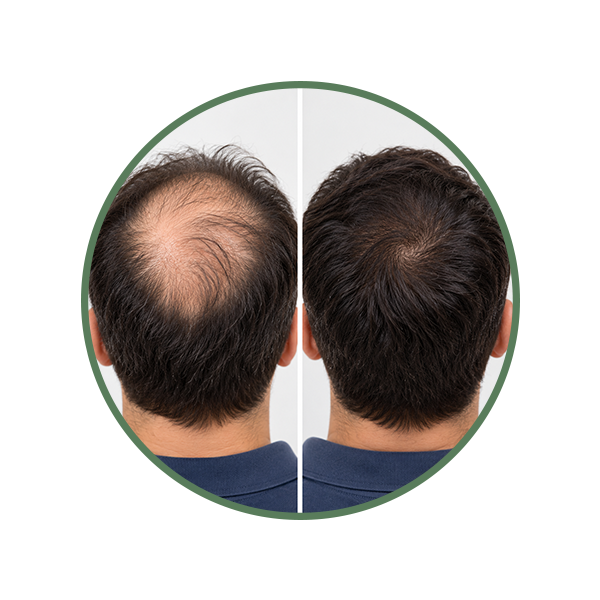
FUE Hair Restoration Before & After

See Real Hair Restoration Results

Hair Restoration Fue Method

ABOUT FUE HAIR RESTORATION

Restore Thinning Areas With Individual Hair Follicles

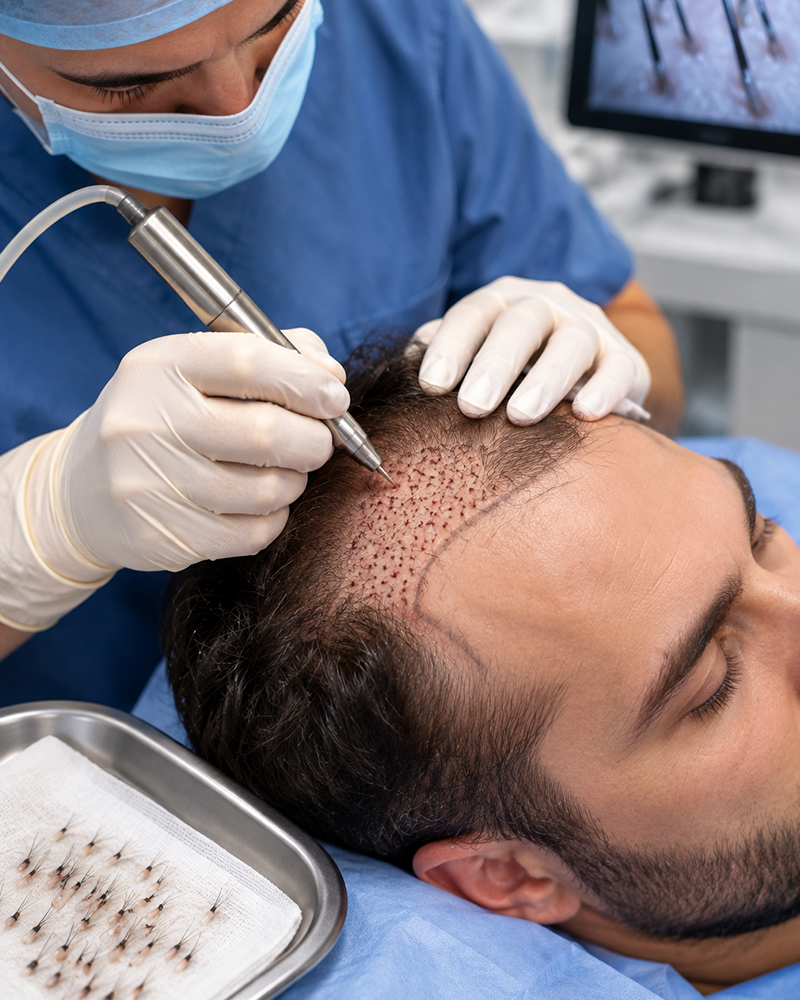
Follicular Unit Extraction (FUE) is a minimally invasive hair transplant method that removes individual follicles from an area where hair is denser and transplants them into areas where hair is thinning or absent. Micro punches are used to extract the follicles, avoiding the larger linear incision associated with traditional strip techniques. Once transplanted, the follicles can produce new hair as they heal and grow. FUE may be appropriate for people experiencing thinning or balding who have enough healthy donor hair available for transplantation.

01

FUE hair restoration can help address thinning hair, receding hairlines, bald spots, and reduced hair density. It can restore hair in targeted areas while creating a natural-looking hairline and improving overall scalp coverage.

01
A Receding Hairline

A Receding Hairline

FUE can place individual follicles into areas where the hairline has become thinner or moved backward, helping create a more natural-looking appearance.
02
Thinning Hair

Thinning Hair

When hair density decreases, transplanted follicles can add coverage to areas where existing hair has become less full.

03
Balding Areas

Balding Areas

FUE can restore hair to selected areas of the scalp where hair growth has been significantly reduced or lost.

02

What Happens During FUE Hair Restoration?

01

Evaluate Your Hair Loss

Your provider evaluates your hair-loss pattern, medical history, available donor hair, scalp condition, and restoration goals to determine whether FUE is appropriate for you.

02

Identify Healthy Donor Hair

Healthy follicles are identified in areas with sufficient hair growth. Depending on your individual case, donor hair may also be available from areas outside the scalp, such as the beard or chest.

03

Extract Individual Follicles

Using micro punches, individual follicular units are carefully removed from the donor area. This approach does not require a linear strip incision or stitches.

04

Transplant the Follicles

The extracted follicles are placed into thinning or balding areas of the scalp. The transplanted hair grows gradually, with new growth becoming noticeable over the following months.

A Precise Approach to Hair Restoration

FUE focuses on individual follicles rather than removing a strip of scalp. The technique can be tailored to your hair characteristics, available donor hair, and restoration goals.

01. No Linear Scar

Because individual follicles are extracted instead of a strip of scalp, FUE avoids the linear scar associated with traditional strip harvesting.

02. Natural-Looking Hair Growth

Individual follicle placement allows treatment to address thinning areas while considering your existing hair pattern and density.

03. Minimal Downtime

FUE is performed under local anesthesia and generally involves a shorter recovery period than traditional strip hair transplantation.

04. Personalized Restoration

The number of grafts and treatment sessions depends on your hair loss, donor hair, hair characteristics, and desired level of coverage.

Personalized FUE Treatment With Experienced Providers

Center for SmartLipo & Plastic Surgery offers FUE hair restoration in Langhorne, PA, serving patients from Philadelphia, Newtown, Levittown, Bensalem, Yardley, and surrounding areas. The Center's hair team has performed more than 3,600 combined hair transplant procedures. Dr. Durvi Patel will evaluate your hair-loss pattern, medical history, donor hair, and goals before recommending an appropriate restoration plan.

You do not need to know how many grafts you need or whether FUE is right for you before your appointment. Your provider can evaluate your hair loss and explain the approach that may best fit your needs.

Am I a Candidate for FUE Hair Restoration?

FUE requires healthy follicles that can be removed from a donor area and transplanted into areas with thinning or absent hair.

Your provider considers where and how your hair is thinning before determining whether transplantation is appropriate.

The condition of the recipient area is considered when planning hair restoration and determining whether transplanted follicles may be appropriate.

Your provider will discuss the amount of coverage that may realistically be achieved based on your available donor hair and individual hair characteristics.

Hair Restoration Fue Method

Wondering If FUE Is Right for You?

Choosing hair restoration can feel uncertain when you do not know how many grafts you need or whether your hair loss is suitable for transplantation. A consultation with Dr. Durvi Patel allows you to discuss your concerns and understand whether FUE may be an appropriate option.

What Should You Expect From FUE Recovery?

FUE generally has a relatively quick recovery. Many patients can return to work and normal activities within several days, although strenuous activity should be limited during the early healing period. Your provider will give you specific aftercare instructions based on your procedure.

Hair growth does not happen immediately. New growth can become noticeable after several months, while transplanted hair continues to mature, thicken, and darken over time.

Hair Restoration Fue Method