Increased Hair Shedding
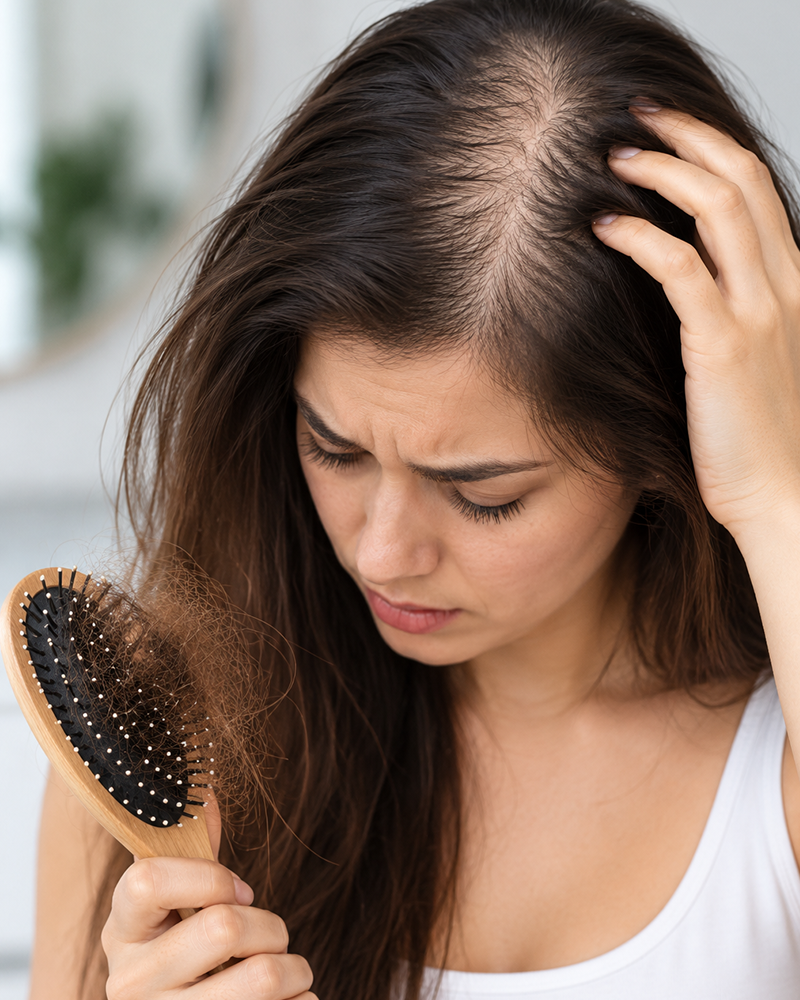
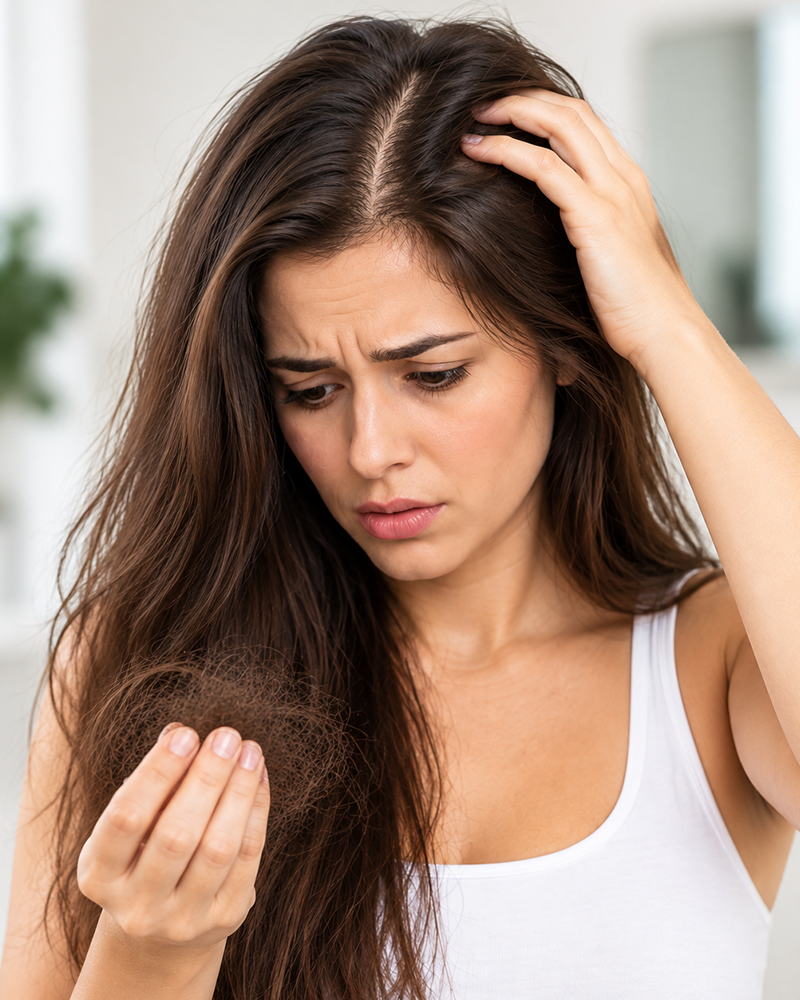
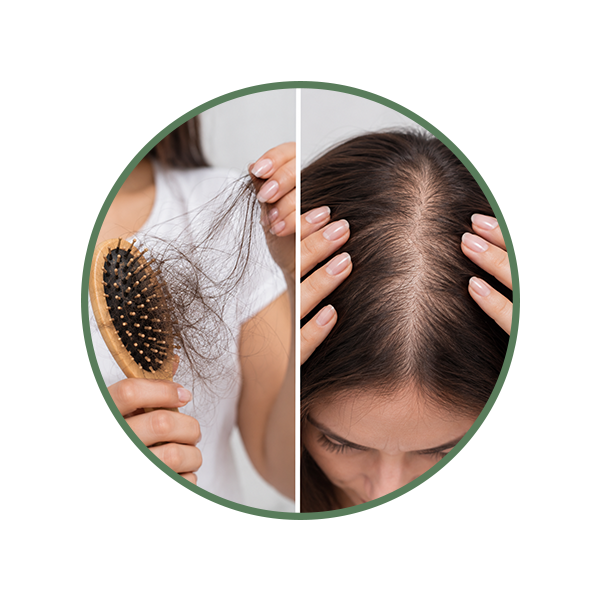
You may notice more hair than usual on your pillow, in the shower, or on your brush. Persistent changes in shedding can be worth discussing with a provider.
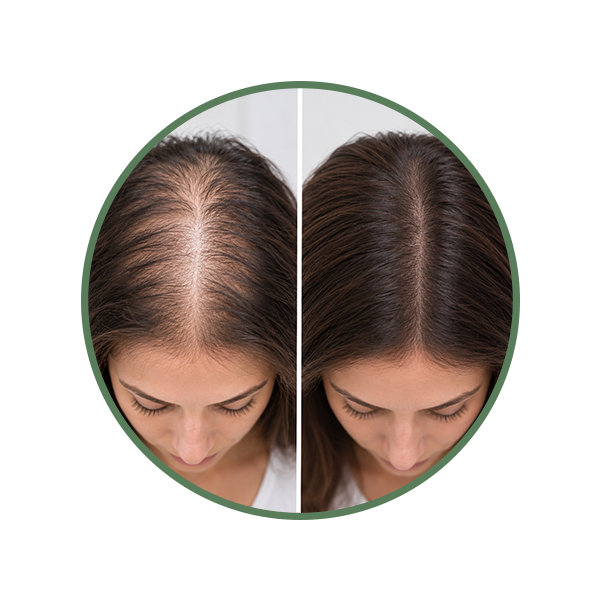
Hair loss can develop gradually or appear more suddenly. You may first notice increased shedding, thinner hair, a changing hairline, or more visible scalp. Recognizing these changes can help you understand when it may be time to seek professional guidance. At Center for SmartLipo & Plastic Surgery, Dr. Durvi Patel can evaluate your hair loss and discuss appropriate treatment options, including hair restoration.
Need Help!
Hair loss does not always begin with an obvious bald spot. It can develop through gradual changes in hair thickness, density, or the shape of the hairline. Increased shedding, a widening part, thinning around the crown, or greater scalp visibility may indicate that your hair is changing. Hair loss can occur for different reasons. Aging, hereditary factors, hormonal changes, stress, major dietary changes, medications, and certain medical conditions can all play a role. Conditions such as alopecia areata and thyroid disease may also contribute to hair loss.
Common signs of hair loss include increased hair shedding, a widening part, thinning at the crown, a receding hairline, visible scalp, smaller ponytail volume, bald patches, and noticeable changes in hair density, texture, or overall coverage over time.
You may notice more hair than usual on your pillow, in the shower, or on your brush. Persistent changes in shedding can be worth discussing with a provider.
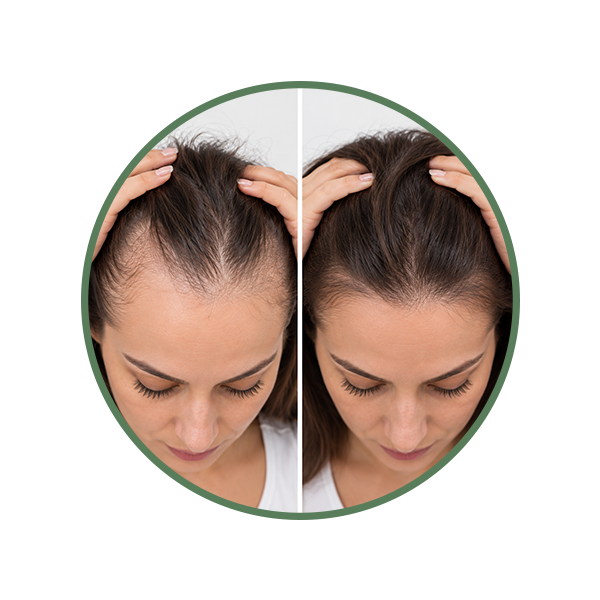
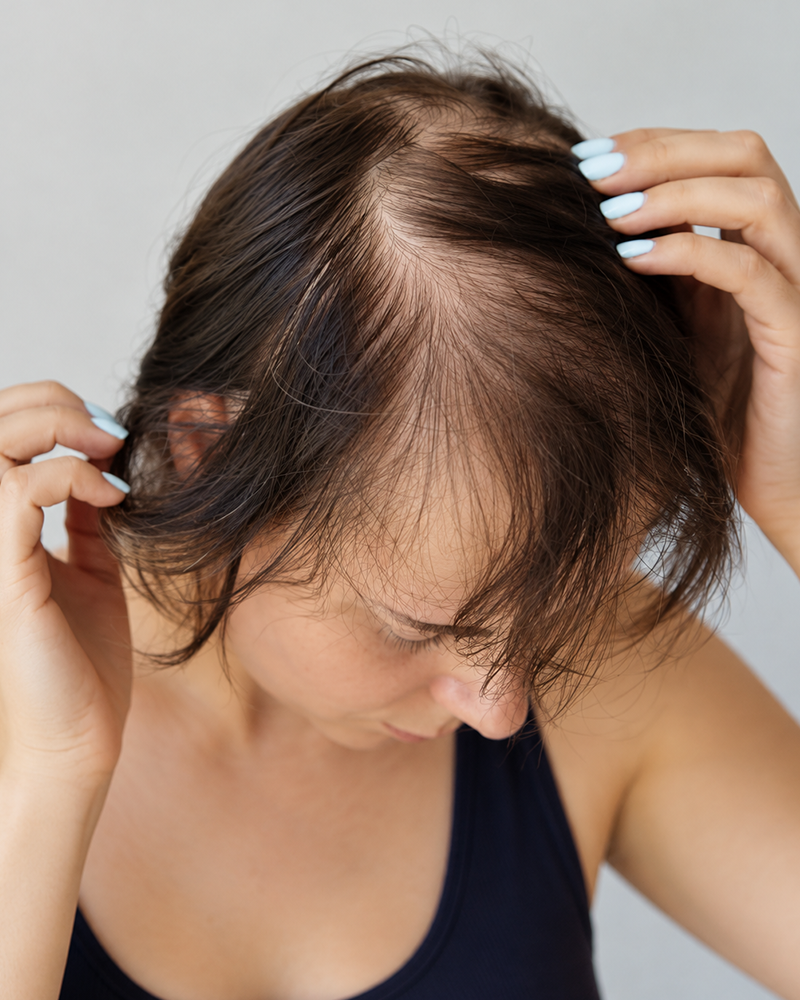
Hair can gradually become thinner and lose some of its previous fullness. The change may be subtle at first but become more noticeable over time.
A receding hairline or increased scalp visibility can indicate a change in hair density. Comparing your current appearance with older photos can sometimes make gradual changes easier to recognize.
Your provider evaluates the pattern and extent of your hair loss while considering your medical history, scalp condition, and treatment goals.
Hereditary and hormonal factors, aging, stress, dietary changes, medications, and certain medical conditions can contribute to hair loss. Understanding the possible cause helps guide treatment planning.
Your provider considers whether options such as FUE hair transplantation, PRP therapy, topical treatments, or another approach may be appropriate for your situation.
Treatment is planned around the cause and pattern of your hair loss, available donor hair, medical history, and individual goals.
There is no single treatment that is appropriate for everyone experiencing hair loss. The right option depends on the cause, pattern, extent of hair loss, available donor hair, and your individual goals.
Follicular Unit Extraction (FUE) removes individual hair follicles from areas with available donor hair and places them into thinning areas of the scalp. The technique can provide natural-looking hair restoration without the larger linear scar associated with traditional strip methods.
Platelet-rich plasma (PRP) therapy uses growth factors from your own blood to support hair follicles. It may be considered as part of a personalized approach to hair loss.
Depending on your situation, topical treatments may be included as part of a broader hair loss management plan.
Your provider considers your hair loss pattern, possible causes, medical history, donor hair, and goals when determining which treatment options may be appropriate.
Center for SmartLipo & Plastic Surgery offers personalized hair loss treatment in Langhorne, PA, serving patients from Philadelphia, Newtown, Levittown, Bensalem, Yardley, and surrounding areas. The Center's hair team has performed more than 3,600 combined hair transplant procedures, according to the practice.
Dr. Durvi Patel evaluates each patient's hair loss pattern, medical history, and goals when developing a treatment plan. Depending on your needs, options may include PRP therapy, hair restoration surgery, and topical treatments.
Understanding whether hair loss is continuing or has become stable can help determine the appropriate treatment approach.
FUE requires available healthy hair follicles that can be transplanted into areas affected by thinning.
The condition of the recipient area is another consideration when determining whether transplantation may be appropriate.
Your medical history and overall health are considered as part of the candidacy evaluation. Certain health conditions or active scalp infections may affect eligibility.
Hair loss can have different causes, and the most appropriate treatment depends on what is happening with your hair and scalp. A consultation with Dr. Durvi Patel allows you to discuss your concerns, understand your options, and determine whether FUE, PRP, topical treatment, or another approach may be appropriate.
Hair restoration is a gradual process rather than an immediate change. With FUE, transplanted follicles are placed into thinning areas and begin developing new growth over time. The practice notes that visible growth may begin around six months, with hair continuing to thicken and darken as it matures.
Your recovery and results depend on the treatment performed and your individual response. Regular follow-up can help your provider monitor progress and adjust your treatment plan when needed.