Underarm Sweating
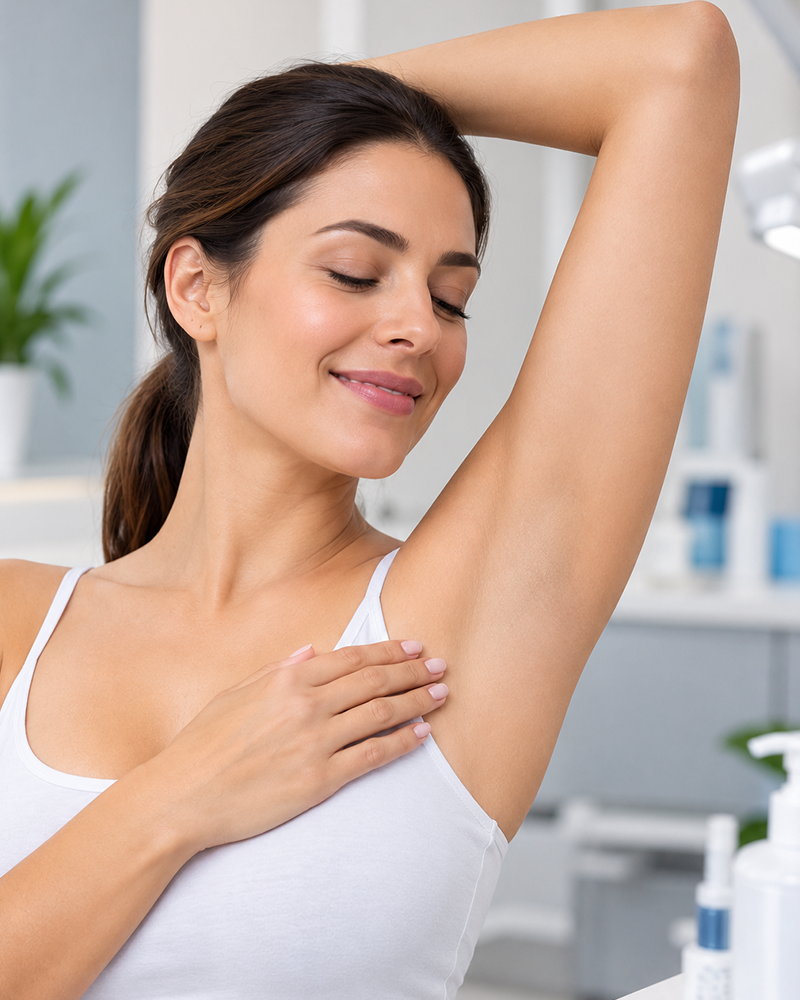
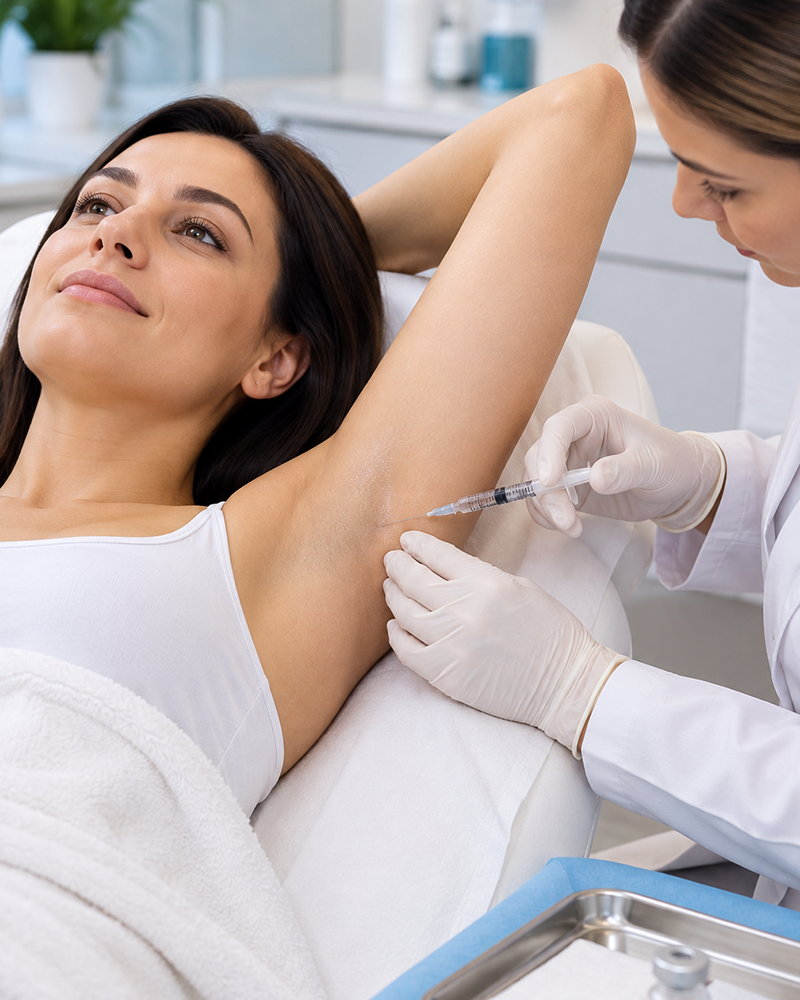
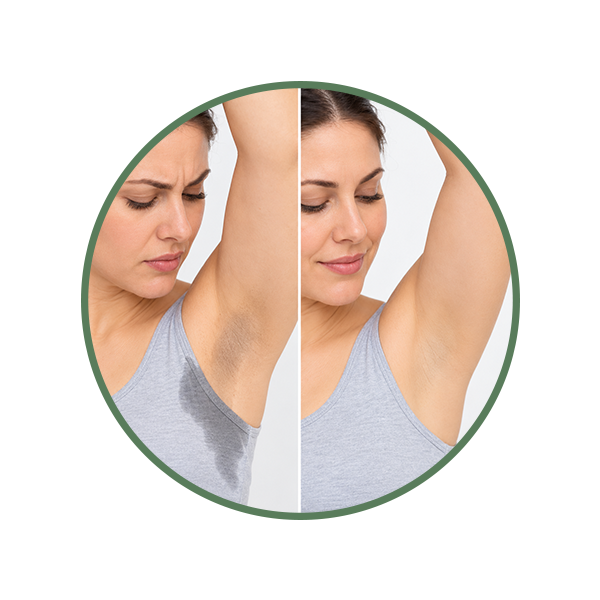
The underarms are one of the most common areas affected by focal hyperhidrosis. Botox injections can reduce sweat production in this area and help limit visible sweating throughout the day.
Excessive sweating can interfere with work, social situations, clothing choices, and everyday comfort. Hyperhidrosis causes sweating beyond what the body needs to regulate its temperature and can affect specific areas such as the underarms, hands, feet, or face. At Center for SmartLipo & Plastic Surgery, Botox injections provide a non-surgical treatment option for focal hyperhidrosis. Dr. Durvi Patel can evaluate your concerns and create a treatment plan based on the areas affected and your needs.
Need Help!
Hyperhidrosis is a condition that causes excessive sweating even when the body does not need to cool itself. It can affect one specific area or several areas of the body, with the underarms and palms among the most commonly affected sites. The condition can have a genetic component and often develops around or after puberty.
Botox treatment can target the nerves responsible for excessive sweating in specific areas. The approach focuses on reducing sweat production where it causes the greatest disruption.
The underarms are one of the most common areas affected by focal hyperhidrosis. Botox injections can reduce sweat production in this area and help limit visible sweating throughout the day.
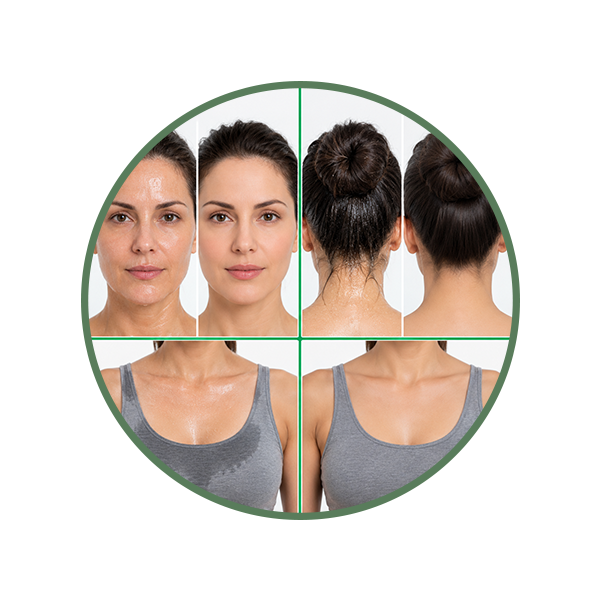
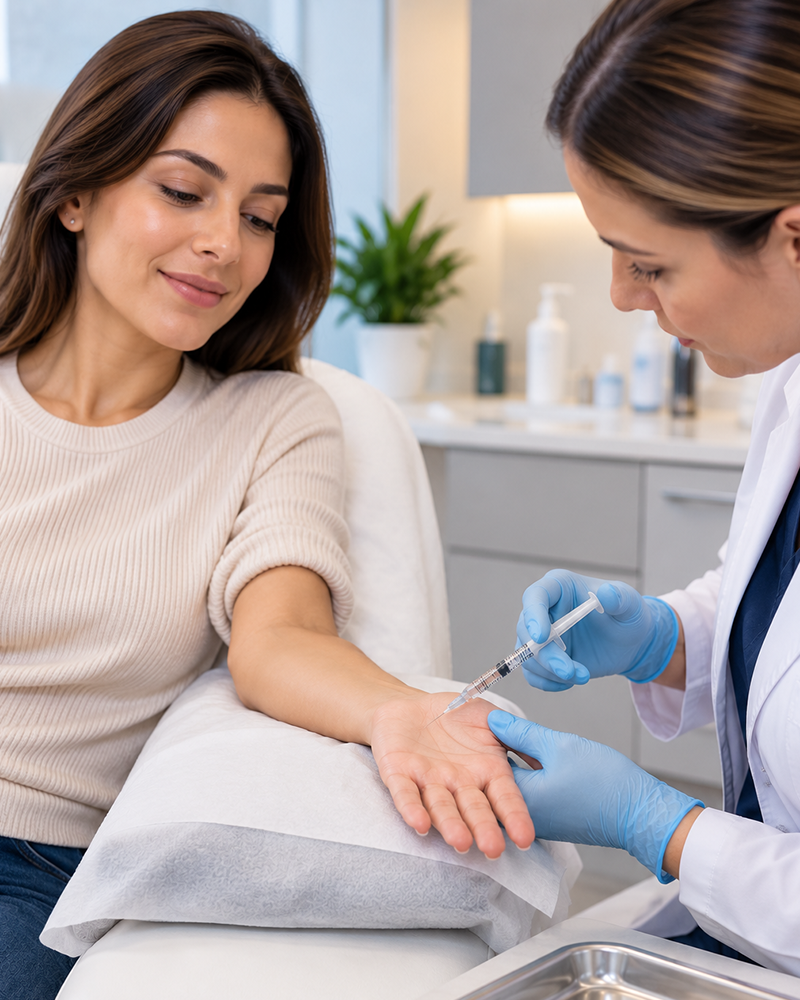
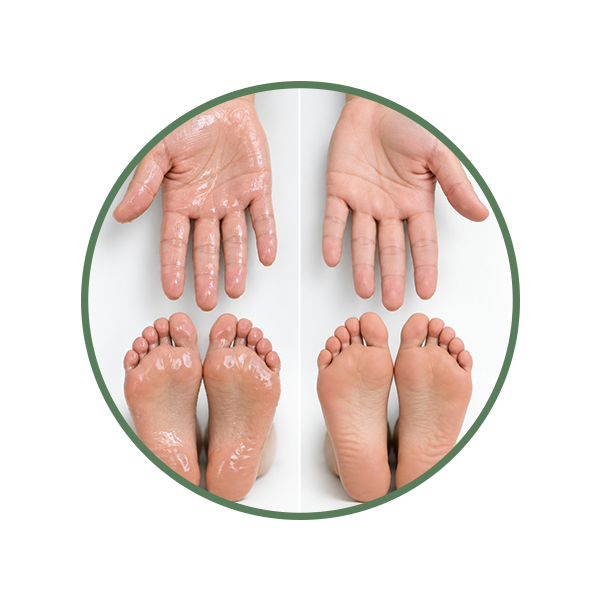
Hyperhidrosis can also affect the palms and feet. Botox may reduce sweating in these areas, although treatment can be more uncomfortable because these areas contain more nerve endings.
Excessive sweating can also occur on areas such as the face, head, chest, back, groin, nose, or beneath the breasts. Treatment depends on the affected area and requires careful planning to minimize potential side effects.
Your consultation begins with a discussion of where excessive sweating occurs, how it affects your daily life, and how frequently you experience it. Your provider evaluates whether focal hyperhidrosis treatment is appropriate for your concerns.
Botox works best when excessive sweating occurs in specific, localized areas. Your provider identifies the areas producing excessive sweat and determines where treatment should be focused.
The treatment area is mapped so Botox can reach the targeted sweat glands effectively. Careful placement matters because the injection sites vary according to the body area being treated.
A series of small Botox injections is placed into the targeted area. The treatment typically takes about 20 to 30 minutes, and most patients can return to daily activities with little to no downtime.
Hyperhidrosis treatment should address the areas where sweating creates the greatest disruption. Botox can provide a targeted option when excessive sweating affects specific parts of the body.
Underarm sweating is one of the most common applications for Botox treatment. Targeted injections can significantly reduce sweat production in the treated area and may provide relief for several months.
Sweating of the palms and feet can interfere with everyday activities and comfort. Botox can be used in these areas when appropriate, although your provider will consider the sensitivity of the treatment site before recommending injections.
Some people experience excessive sweating around the face or head. These areas require careful assessment because the anatomy and surrounding structures differ from the underarms or other common treatment sites.
Not every case of excessive sweating requires the same approach. Your provider evaluates the location and severity of your sweating before recommending treatment. Botox is particularly suited to focal hyperhidrosis rather than sweating that affects the entire body.
Hyperhidrosis can affect more than your physical comfort. Constantly worrying about sweating can influence what you wear, how you interact with others, and how confident you feel during everyday activities. At Center for SmartLipo & Plastic Surgery, Dr. Durvi Patel provide Botox treatment for focal hyperhidrosis in Langhorne and the surrounding areas. The treatment works by blocking nerve signals responsible for stimulating sweat glands. This can significantly reduce sweating in the treated area without requiring surgery or a lengthy recovery. Your provider can determine whether Botox is appropriate based on your symptoms and treatment goals.
You do not need to know which treatment area or injection pattern you need before your appointment. Your provider will evaluate where excessive sweating occurs, discuss how it affects you, and recommend an appropriate treatment approach.
Persistent underarm sweating can leave visible marks on clothing and require frequent changes or other ways of managing moisture. Because the underarms commonly respond well to Botox, targeted treatment may provide meaningful relief.
Excessive palm sweating can make ordinary interactions uncomfortable. It may affect handshakes, handling objects, writing, or other activities where dry hands matter. Botox may be considered when sweating remains localized to the hands.
If excessive sweating affects a specific area, Botox offers a minimally invasive alternative to more involved treatment approaches. The injections take a relatively short time, and most patients can resume normal activities with little to no downtime.
People with hyperhidrosis may sweat more than necessary even when the body does not need to cool itself. When excessive sweating happens without an obvious trigger, it may be worth discussing your symptoms with a medical professional.
Excessive sweating does not have to control your clothing choices, social interactions, or daily routine. Targeted Botox treatment may help reduce sweating in the areas causing the most disruption.
Botox does not permanently eliminate hyperhidrosis, but it can provide temporary relief from excessive sweating. The practice notes that some patients begin noticing improvement within a few days, while the full effect can take a couple of weeks. Results vary between patients and treatment areas.
The duration of results can also vary, with the practice reporting relief that may last several months and, in some cases, longer. Maintenance treatments may be needed when sweating gradually returns as nerve signals recover. Your provider can explain the expected timeline and determine when additional treatment may be appropriate.