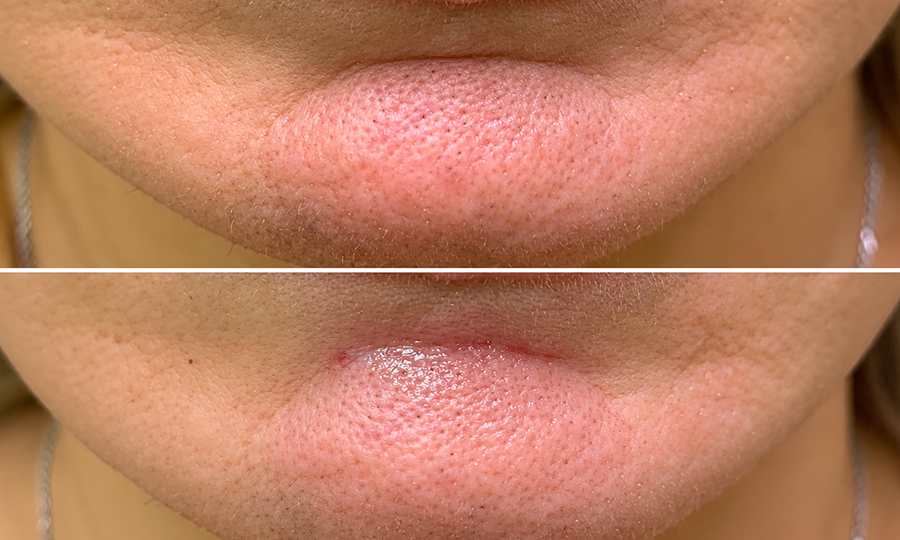
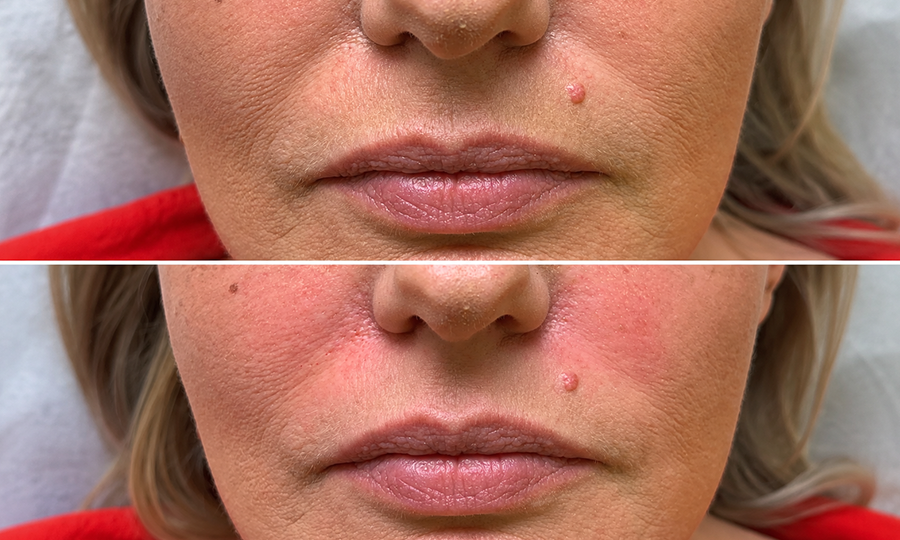
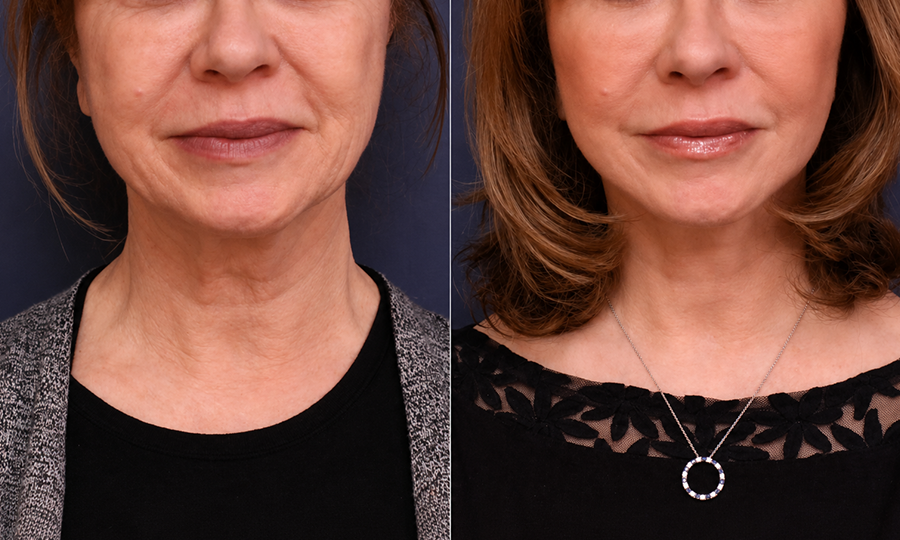
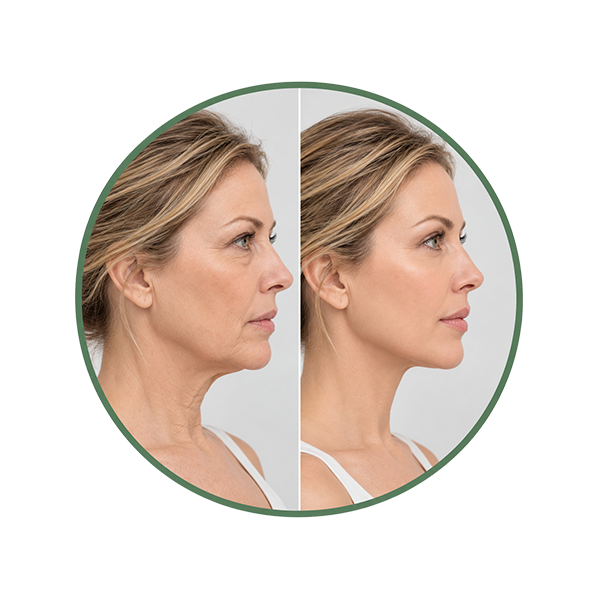
A Softer Jawline
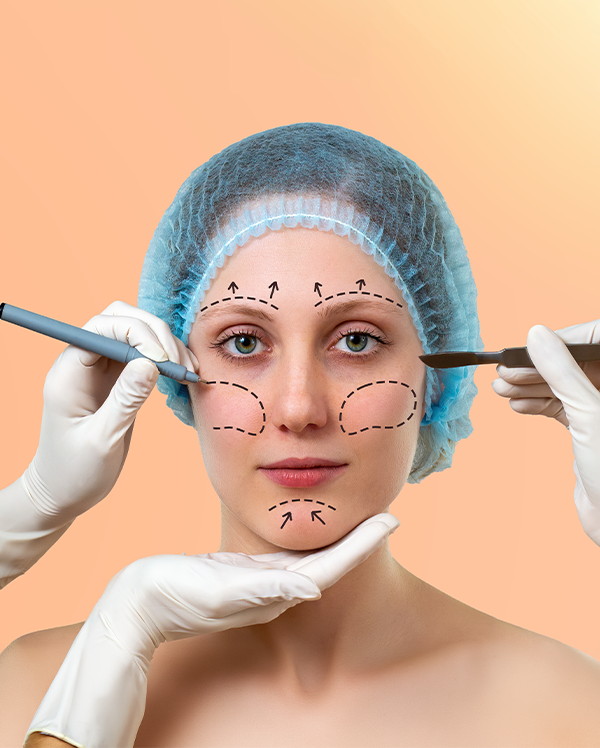
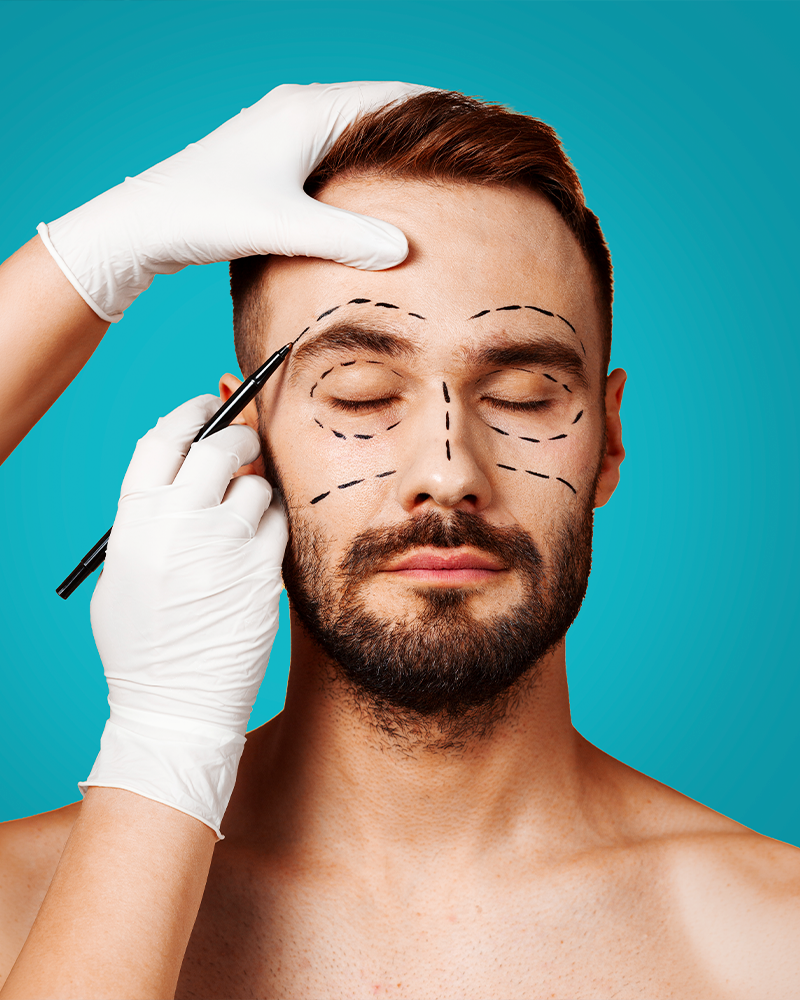
When facial tissues shift downward, the lower face can lose some of its natural definition. Facelift surgery can address these changes and improve the appearance of the jawline.
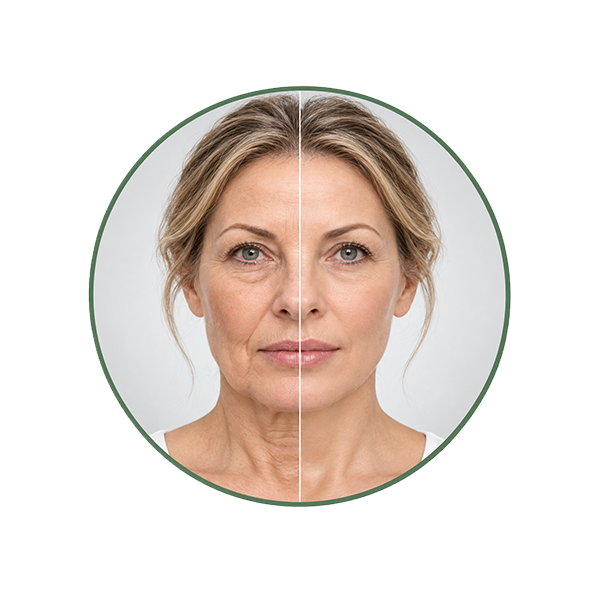
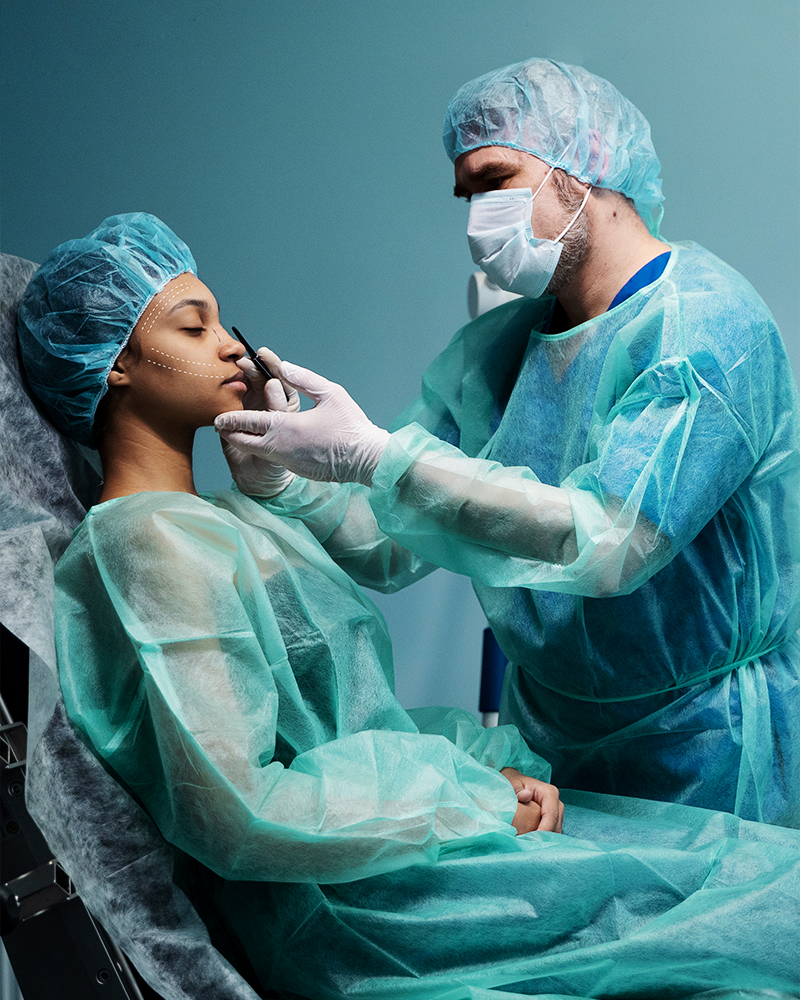
The way your face changes with age is personal. For some, it shows through a softer jawline. For others, it may be loose skin, jowls, or changes around the neck. Facelift surgery can address these concerns by improving facial contours and supporting a more rested appearance. Dr. Aaron Shapiro takes a personalized approach to help you understand what treatment may be appropriate for your goals.
Need Help!
A facelift is designed to address visible changes in the lower face and neck that develop with age. Depending on your needs, surgery may improve sagging tissues, loose skin, jowls, and changes in facial definition. The procedure does not change who you are. Instead, it works with your existing features to create a more balanced appearance.
A facelift can help address several common changes that may occur naturally as your face changes with age.
When facial tissues shift downward, the lower face can lose some of its natural definition. Facelift surgery can address these changes and improve the appearance of the jawline.
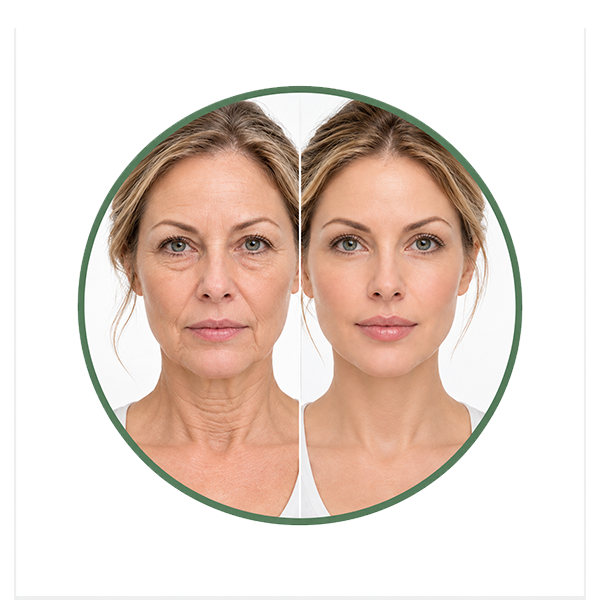
Loose skin and shifting tissues can create a heavier appearance around the cheeks and lower face. A facelift can address these changes as part of a broader facial rejuvenation plan.
The neck can show signs of aging alongside the face. When appropriate, treatment can address loose skin and changes beneath the jawline to create a more cohesive appearance.
Facelift surgery can involve lifting and repositioning deeper facial tissues rather than simply pulling the skin. This helps address the underlying changes associated with facial aging.
Your surgeon may address changes in the distribution of facial tissue as part of the procedure. The approach depends on your individual anatomy and the areas being treated.
Once the underlying tissues have been addressed, excess skin is carefully managed. This helps create a smoother transition across the treated areas.
Incisions are closed after the surgical work is complete. Their location depends on the technique used and is planned with the final appearance and healing process in mind.
There is no single facelift technique for every patient. The appropriate approach depends on the extent of aging, the areas you want to improve, and your individual facial structure.
A mini facelift uses a more limited approach and may be considered when facial laxity is less extensive. Your consultation can help determine whether this approach suits your concerns.
A mid-facelift focuses on changes around the cheeks and middle portion of the face. It may be appropriate when this area has lost some of its youthful position or definition.
A neck lift focuses specifically on changes beneath the jawline and around the neck. It can be considered on its own or alongside facial rejuvenation when both areas need treatment.
Not every facial concern requires surgery. Depending on your goals, nonsurgical treatments may be appropriate for improving certain aspects of your appearance or complementing surgical treatment.
A successful facelift begins with understanding what has changed and what you want to improve. Dr. Aaron Shapiro considers your facial structure, skin characteristics, areas of concern, and expectations when discussing your options. Rather than choosing a procedure based only on age, the consultation focuses on your individual features and the changes you would like to address.
You do not need to know which facelift technique you need before your appointment. Dr. Aaron Shapiro can evaluate your concerns and explain which options may be appropriate for you.
There is no universal age for facelift surgery. The decision is based on your facial changes, health, skin condition, and goals rather than a number alone.
You may begin noticing that your reflection looks different from how you feel. Sagging, jowls, or changes in facial definition can become reasons to explore your options.
Aging can reduce skin elasticity and contribute to visible sagging. When these changes become more significant, surgical treatment may be worth discussing.
Nonsurgical treatments can address certain signs of aging, but they cannot produce the same structural correction as facelift surgery.
Your concerns may be obvious to you, but the right treatment is not always. A consultation with Dr. Aaron Shapiro gives you the opportunity to discuss your goals and understand your options before deciding
Facelift recovery is part of the treatment process. Swelling, bruising, tightness, and temporary changes in sensation can occur during the early healing period. Your surgeon will provide instructions for incision care, activity, medications, and follow-up appointments.
Your appearance will not be final immediately after surgery. As swelling and bruising decrease and the tissues settle, the changes become easier to appreciate. Recovery varies between patients and depends on the procedure performed and your individual healing process.